Introduction to the Heroic Age in Greek Literature
Greek literature begins with stories of extraordinary heroes, powerful gods, and epic battles that shaped the imagination of ancient civilization. This period is commonly known as the Heroic Age or Homeric Age. It represents one of the earliest and most influential phases in the development of Western literature.
The Heroic Age reflects a time when courage, honor, glory, and loyalty defined the ideals of society. The stories from this period were not just entertainment—they were moral lessons and cultural memory for the ancient Greeks.
In this article, we will explore the Heroic Age in Greek literature, its historical background, its major characteristics, and its lasting influence on world literature.
Historical Background of the Heroic Age
The Heroic Age refers to a legendary period in Greek history roughly associated with the time before the Greek Dark Age, often connected with the events surrounding the Trojan War.
Although historians debate the exact timeline, most scholars believe the stories of the Heroic Age were passed down orally before being written down in epic poems.
Two of the most important works representing this era are:
- The Iliad
- The Odyssey
Both epics are traditionally attributed to the ancient Greek poet Homer.
These works describe heroic warriors, divine intervention, and the struggle between fate and human will.
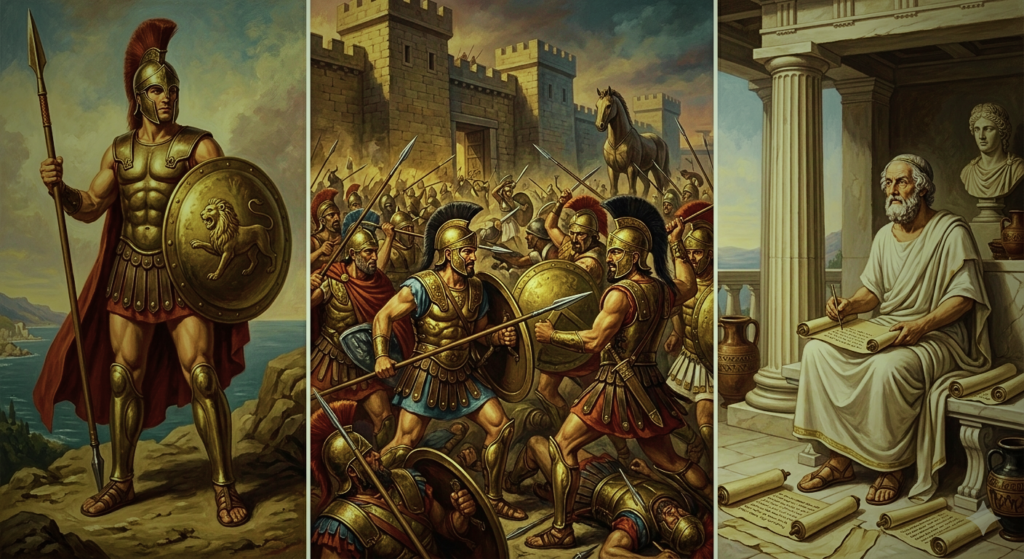
Ancient Greek hero representing the heroic ideals of early Greek literature.
Major Heroes of the Heroic Age
Many legendary figures dominate this literary period. These heroes symbolize strength, bravery, and honor.
Some famous heroes include:
| Hero Known For Literary Source Achilles Greatest warrior of the Trojan War The Iliad Odysseus Intelligent hero and strategist The Odyssey Hector Noble Trojan defender The Iliad Agamemnon Leader of the Greek army Greek Epics Ajax Powerful Greek warrior Greek Mythology. |
These characters became cultural icons representing Greek values and ideals.
Main Characteristics of the Heroic Age in Greek Literature
Understanding the Heroic Age requires examining the key elements that shaped its stories and themes.
Below are the most important characteristics of this period.
1. Celebration of Heroism
The central focus of the Heroic Age is the glorification of heroes.
Heroes were admired for qualities such as:
- Courage in battle
- Physical strength
- Loyalty to comrades
- Honor and reputation
- Determination in the face of fate
For the ancient Greeks, achieving kleos (eternal glory) was one of the greatest goals a hero could attain.
Key points:
- Heroes sought everlasting fame.
- Their deeds were celebrated through epic poetry.
- Honor and reputation mattered more than life itself.
2. Influence of the Gods
Another defining feature of Heroic Age literature is the strong presence of divine powers.
The gods frequently interfered in human affairs. They guided heroes, created obstacles, or changed the course of battles.
Examples:
- Zeus
- Athena
- Apollo
Key ideas:
- Gods influenced destiny.
- Human actions were often controlled by divine will.
- Heroes depended on divine favor.
3. Importance of Honor and Reputation
Honor was the foundation of the heroic code.
A hero’s identity depended on how others perceived him.
Important values included:
- Personal glory
- Loyalty to companions
- Respect for enemies
- Courage during conflict
Loss of honor could lead to humiliation and tragedy.
For example, the anger of Achilles in The Iliad begins when his honor is insulted.
4. Epic Poetry Tradition
The literature of the Heroic Age was primarily expressed through epic poetry.
Epic poems are long narrative works that tell stories of heroic adventures and historical events.
Features of epic poetry:
- Grand storytelling style
- Formal language
- Repetition of phrases
- Invocation of the muse
The most famous epics of this period are:
- The Iliad
- The Odyssey
These works laid the foundation for Western literary tradition.
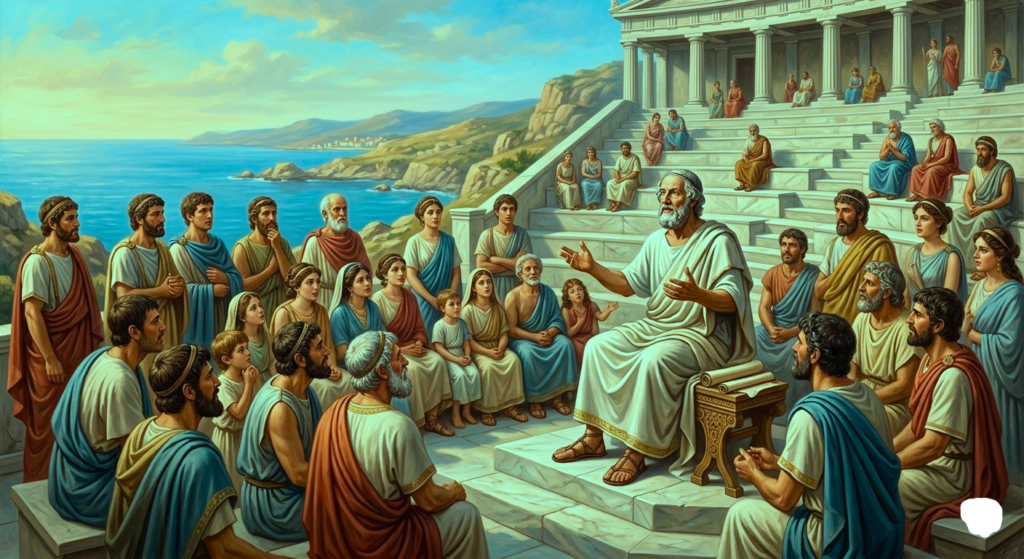
Themes of the Heroic Age
Heroic Age literature explores several powerful themes.
Common Themes
- War and conflict
- Glory and fame
- Fate and destiny
- Loyalty and friendship
- Human struggle against divine forces
These themes allowed audiences to reflect on human strength and weakness.
Oral Tradition and Storytelling
Before the invention of widespread writing, these stories were preserved through oral tradition.
Poets known as bards traveled across regions performing epic tales.
Their performances included:
- Musical accompaniment
- Dramatic storytelling
- Repetition for memory
This oral tradition helped preserve Greek culture for generations.
The Role of War in Heroic Literature
War is central to many heroic narratives.
The most famous war described in Greek literature is the Trojan War.
Characteristics of war narratives include:
- Epic battles
- Heroic duels
- Strategic intelligence
- Emotional consequences
War scenes were not just action stories—they explored themes of loss, courage, and human ambition.

Comparison: Heroic Age vs Later Greek Literature
| Aspect | Heroic Age | Later Greek Literature |
| Main Genre | Epic poetry | Drama and philosophy |
| Focus | Heroes and war | Human society and politics |
| Storytelling Style | Oral tradition | Written texts |
| Themes | Glory, honor, fate | Ethics, tragedy, philosophy |
This evolution shows how Greek literature gradually shifted from mythic storytelling to philosophical reflection.
Influence of the Heroic Age on World Literature
The Heroic Age shaped many later literary traditions.
Its influence can be seen in:
- Roman epics
- Medieval heroic tales
- Renaissance literature
- Modern fantasy narratives
Even contemporary storytelling continues to draw inspiration from these ancient heroic ideals.
Why the Heroic Age Still Matters Today
Despite being thousands of years old, the themes of the Heroic Age remain relevant.
Modern readers still connect with ideas such as:
- The search for meaning
- Courage during adversity
- Moral choices in difficult situations
These timeless ideas continue to inspire literature, films, and popular culture.
Conclusion
The Heroic Age in Greek literature represents a powerful beginning of the Western literary tradition. Through epic stories of bravery, divine intervention, and moral struggle, ancient poets preserved the values and imagination of early Greek society.
The legends of heroes like Achilles and Odysseus continue to influence storytelling across cultures and generations. By studying the Heroic Age, readers gain insight not only into ancient Greece but also into the universal themes of human experience.
Ultimately, the Heroic Age reminds us that literature has always been a way for humanity to celebrate courage, explore destiny, and understand the complexities of life.